

Keeping your hands clean is an integral part of personal hygiene, which plays a significant role in preventing the spread of disease. Good handwashing practices are especially beneficial during cold and flu season or with the general public, who may carry bacteria and viruses on their skin.
Even while it could appear like a straightforward task, there are more factors at play. Using the proper handwashing techniques, you remove germs on your hands during the day. Fortunately, this guide will share 8 steps that you can easily follow to ensure you’re washing your hands effectively.
But first, let’s review why handwashing is so important.
Handwashing: Why Is It Necessary?
Health experts state that proper handwashing can help reduce the spread of illnesses such as diarrhea. More specifically, when hands are not washed properly, germs can transfer from person to person or directly onto food items—not ideal!
Amid the ongoing COVID-19 pandemic, establishing proper hygiene habits keeps everyone healthy. Regular handwashing is a small, relatively easy task we can all do daily that can pay huge dividends.
Washing your hands with warm water and soap helps to remove dirt and germs from your skin, and when done diligently, it can help minimize the spread of all sorts of illnesses. Taking just moments out of your day for proper hand washing could mean avoiding a far more time-consuming bout with illness symptoms for yourself or another person.
Benefits of Regular Handwashing
Many people may need to realize the real benefits of handwashing regularly. Keeping our hands clean can help protect personal health, but it goes beyond that. Washing our hands has many benefits extending even further than our well-being.
1. Preventing Illness
It’s a widely known fact that properly washing our hands is one of the easiest, most effective means to safeguard ourselves from sickness. Washing provides physical protection, acting as a barrier by removing germs and bacteria from our skin before they can enter the body. Washing provides physical protection, acting as a barrier by removing germs and bacteria from our skin before they can enter the body. This small action can prevent major illnesses like influenza, pneumonia, and even deadly diseases like hepatitis A. Taking an extra second or two could mean avoiding costly medical fees and painful sickness in the future.
2. Reducing Environmental Impact
Reducing environmental impact is vital to protect our planet. Washing hands properly can help with that. The fewer germs and bacteria that spread, the more protected the environment will be. This simple act can go a long way in ensuring the optimal well-being of our larger ecosystem and its precious resources. We should all endeavor to help create a healthier, eco-friendly environment daily!
3. Improving Physical Appearance
It’s no secret that having clean hands helps with personal hygiene and self-esteem. Having visibly clean hands can look more presentable, eliminating the embarrassment or discomfort of shaking someone else’s hand after a long day at work or school. Clean hands are also seen as a sign of respect when meeting new people, which can benefit professional and personal relationships.
4. Reducing the Spread of Disease
Regular handwashing is one of the easiest yet most effective steps we can take to prevent contagious diseases from spreading. Not only protecting ourselves, but proper handwashing also keeps those nearest us from being exposed.
Unfortunately, not everyone observes the necessary precautions to keep germs at bay; folks who don’t practice frequent hand cleaning are far more likely to spread bacteria and invite illnesses into our communities.
But with diligence, we can significantly minimize the risk – we’re serving ourselves and our families and friends by regularly washing our hands.
When to Wash Your Hands
If you’re asking when handwashing is most important, the answer is always!
It’s especially crucial to clean your hands after touching any part of your body, including eyes and mouth. You should also always wash your hands before or after preparing food; before eating; and after using the restroom, sneezing, coughing, or touching any common surface.
We should also clean our hands before and after treating a wound; before and after caring for someone sick; and, of course, after coming in contact with an animal or pet.
Here are other scenarios where you can benefit from a good scrub:
- Before, during, and after handling raw food (especially poultry, seafood, and eggs)
- Before you even consider touching your face or putting in contact lenses
- After cleaning surfaces touched by any other person
- After coming into contact with chemicals (such as detergents or pesticides)
- After handling money
- After using public transportation
By paying close attention and washing our hands regularly, we can take care of ourselves while fortifying a healthier, more joyous atmosphere for all those around us!
8 Steps of Handwashing
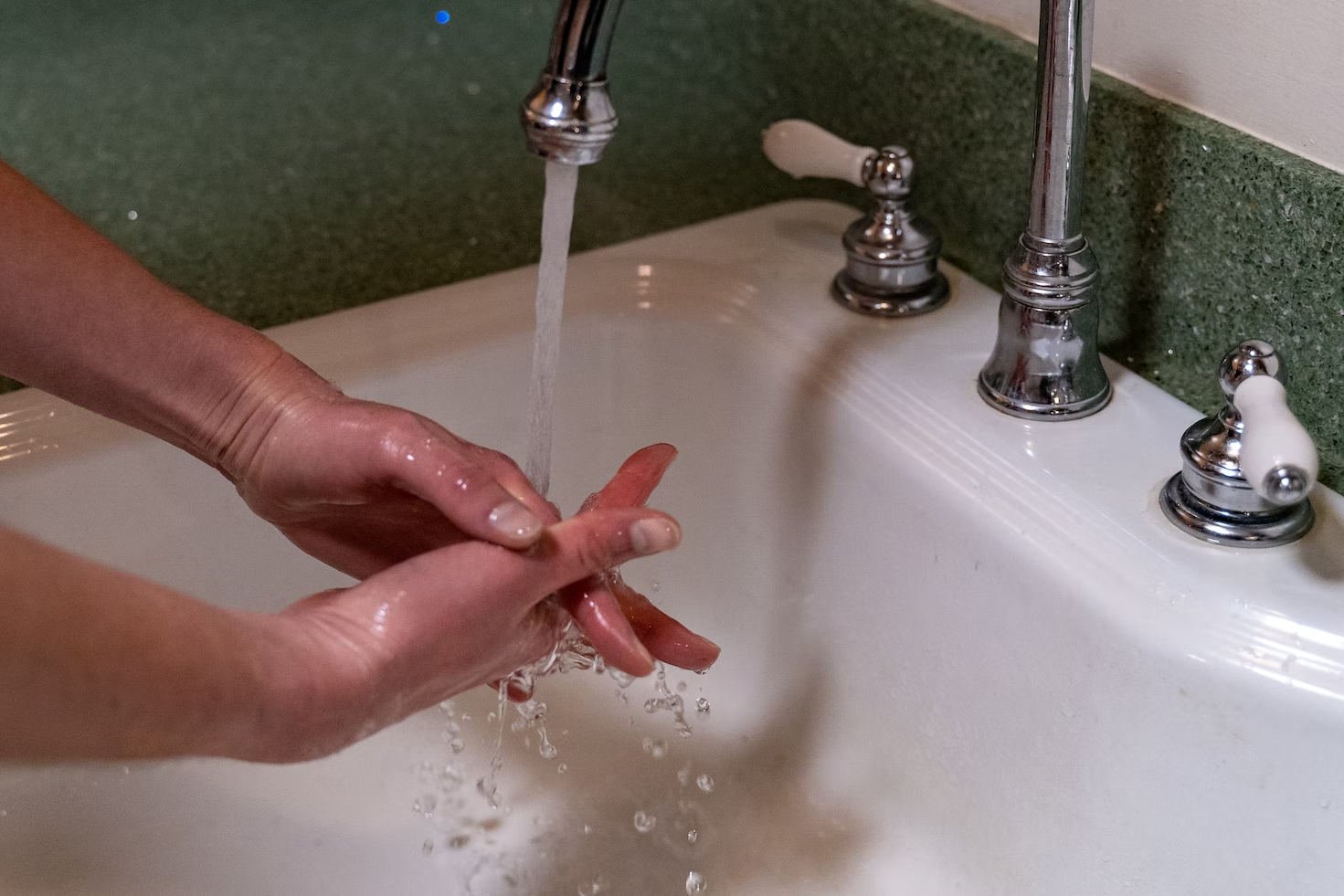
With all of this in mind, let’s run through the 8 steps you should follow when washing your hands properly:
- With fresh, running water, wet your hands (warm or cold).
- Work up a lather with enough soap to cover all of the surfaces of your hands.
- Rub your hands together, and scrub all surfaces, including the backs of your hands, between fingers, and around nails.
- Continue rubbing for at least 20 seconds before rinsing with running water.
- Dry your hands with a fresh towel or let them air dry.
- If required, close the faucet with the towel.
- Avoid touching objects or surfaces until after you have dried your hands thoroughly.
- Ensure to wash after using the restroom and before eating or handling food items!
With these steps, you can help promote better hygiene and overall health for yourself, your family, and the entire community. It’s an easy-to-follow practice that takes less than a minute to complete – but its effects are powerful and long-lasting! So don’t forget to wash your hands frequently; it can greatly impact our collective quality of life.
Tips for a More Effective Handwashing Routine
Aside from following the eight steps of handwashing listed above, here are a few more tips to ensure you’re washing your hands properly and effectively:
1. Be sure to use soap and water
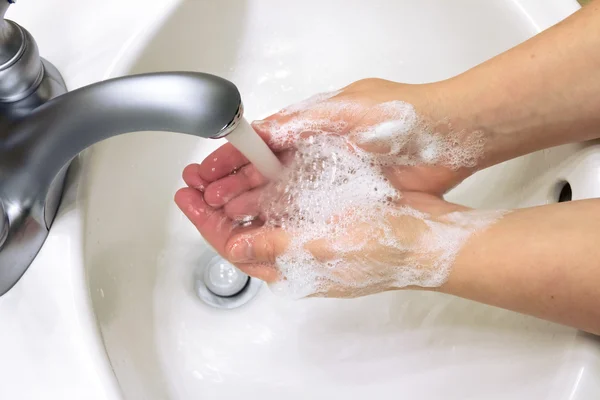
Various soaps are on the market, and some are better than others. Choose one that is mild yet effective and has a pleasant scent – this will help you stay motivated to stick with your handwashing routine!
You’ll find many options, from liquid to bar soaps and antibacterial formulas.
2. Make sure your hands are entirely wet.
When washing your hands, be sure they are fully submerged in water before adding soap. This will help spread the soap evenly across all surfaces of your hands – including between fingers, on the back of your hands, and even around your nails.
3. Choose warm water
Choosing warm water can be your skin’s best friend! That’s because the comfortable temperature provides many benefits. For example, by using warm water – rather than cool or hot – when washing up each day, you can take advantage of its properties which help to soften skin while effectively removing dirt and bacteria. Its ability to dissolve oil and grime on the surface brings even more benefits.
With warm water, you are less likely to strip away your guard against environmental pollutants that the skin produces naturally.
4. Sing a song
Are your hands thoroughly washed? To make sure they’re completely clean, try singing a song! Since 20 seconds is the recommended amount of time for adequate handwashing, two rounds of the “ABCs” or one round of “Happy Birthday” should roughly equal that. This ensures that you are washing your hands effectively and taking adequate time to do so.
Plus, singing a song is a fun way to do this otherwise mundane task.
5. Don’t forget to dry your hands.
Washing your hands is an integral part of hygiene that helps prevent the spread of germs and bacteria. However, it’s just as important not to forget to dry them afterward. Drying your hands thoroughly with a fresh, clean towel can help stop any lingering bacteria before it transfers back onto your skin. Whenever possible, air drying is best – avoid reusing towels, as it can move germs from one person to another in the same space.
Closing Thoughts
To proactively protect yourself and those around you, one of the simplest solutions is to lather up with soap and water on a regular basis. Hand-washing provides an effective barrier against unwanted bacteria or other germs that could cause sickness. Following these 8 steps will guide you toward proper handwashing techniques.
myCK sells hand soaps and sanitisers specifically designed to disinfect your hands while leaving them moisturized, so feel free to shop at myCK for your hand hygiene needs!
Whether you use the step-by-step tactic or just regular soap and water, the outcome is still a set of freshly cleaned hands in the end – and that’s all that matters.
So take preventive measures by washing your hands properly at least twice a day – especially after contacting anyone outside. By doing this, you may rest easy knowing that you are preventing the spread of infections to those close to you and yourself.
